


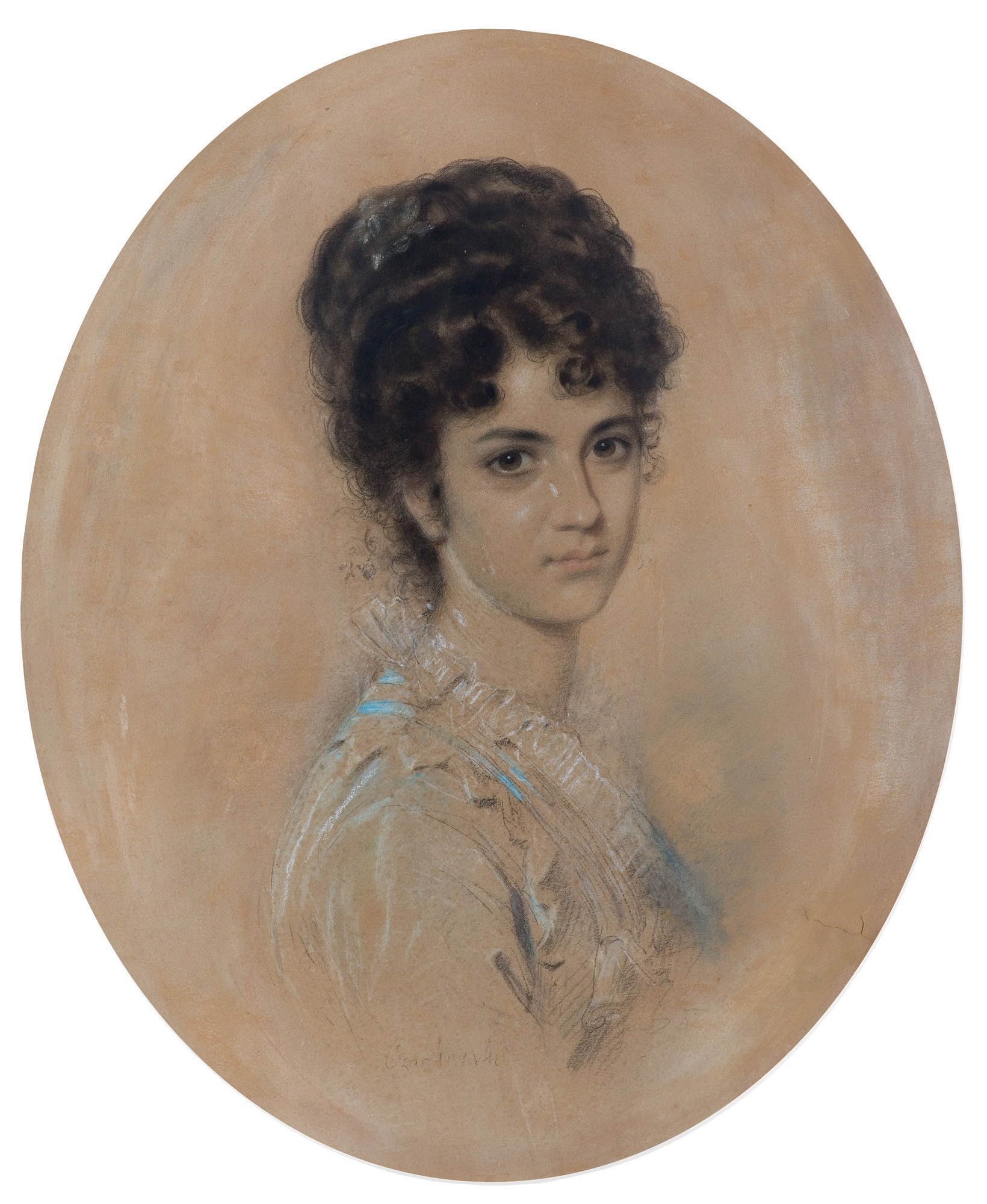
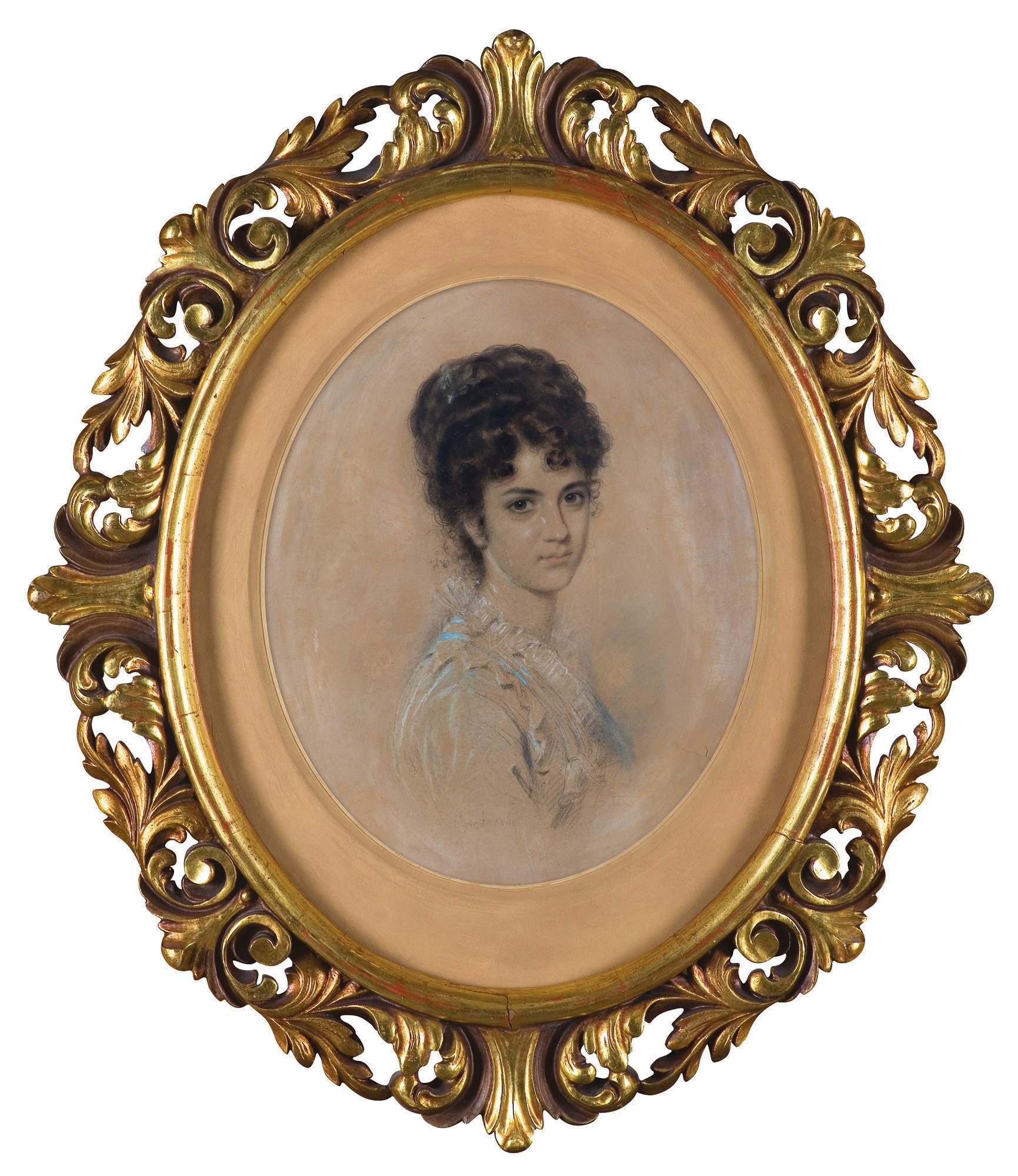
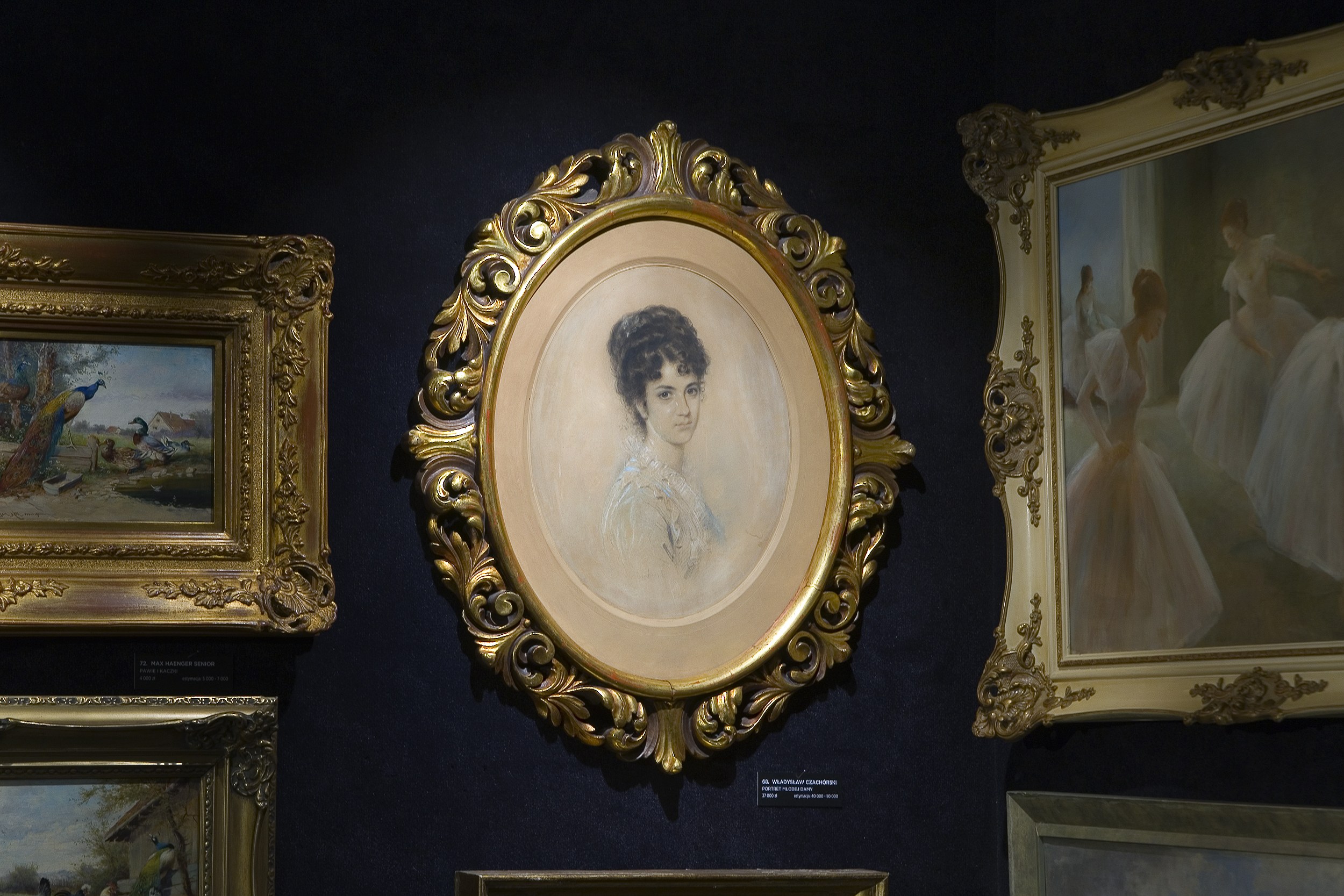
36.5 x 29.7 cm - pencil, crayons, pastel, paper 36.5 x 29.7 cm (in light of oval passe-partout)
signed at the bottom: Czachórski
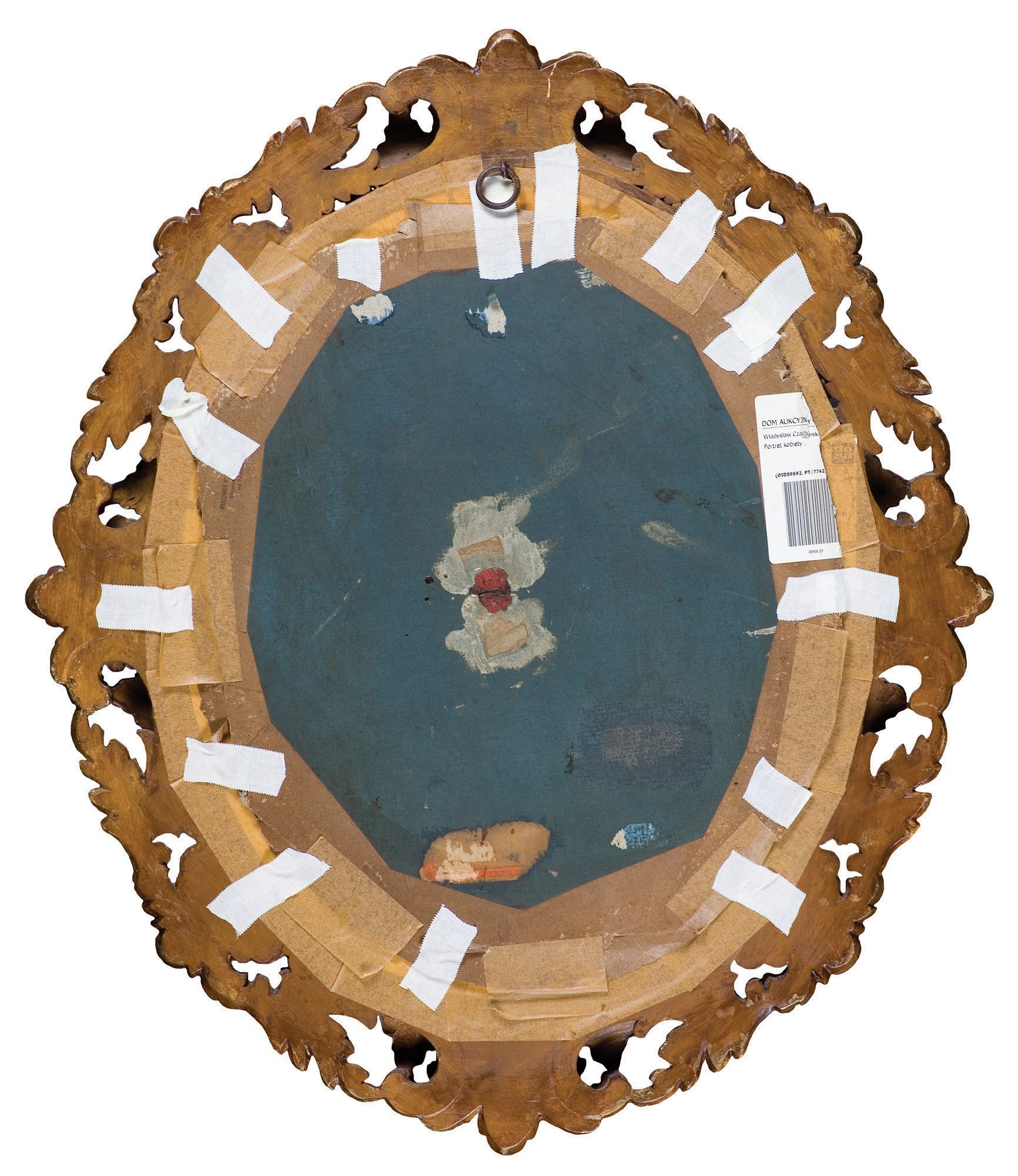
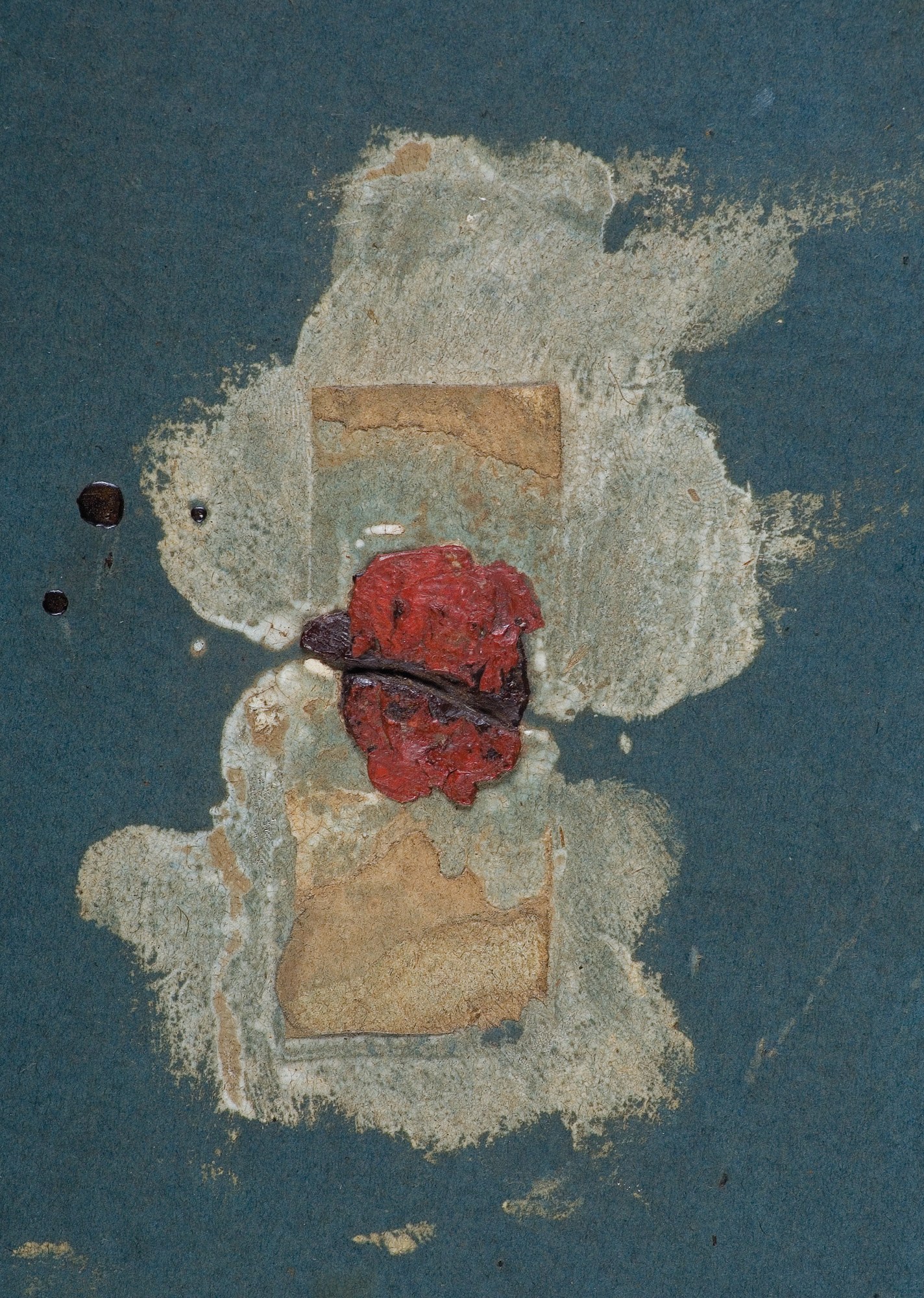
On the reverse, centrally, illegible wax seal; on the left, stamp: PRACOWNIA K[ONSERW]ACTION PAPER | National Museum | in Wrocław; on the right, fragment of a sticker of a Warsaw auction house.
Faced with the completion of a beautiful work of art, one feels a sense of awe, flowing from the aesthetic elements accumulated in it. The work of art speaks through the totality of the efforts put into it, which consist of talent, work, acquired knowledge and this harmonious balance of the means used in pursuit of the intended purpose. This is when we become enthralled with a given work as an artistic and aesthetic whole, as something so perfect that the need to emphasize the talent of its creator recedes into the background - because we feel that this work is masterful. Czachórski's talent, if it did not manifest itself as an expression of strong individuality, had, however, the rarely encountered feature of being able to create excellent works of art - art based on beauty, nobility, grace, perfection of form.
H. Piątkowski, Władysław Czachórski, Artistic Monographs, Volume XI Nakład Gebethner i Wolff, Warsaw 1927 pp. 5-6
Władysław Czachórski (Lublin 1850 - Munich 1911) - next to Jozef Brandt and Alfred Wierusz Kowalski, was the most highly regarded and well-known representative of the Polish artistic colony in Munich at the turn of the 20th century. He began his artistic studies with R. Hadziewicz at the Warsaw Drawing Class (1866-1867), then studied at the Academy of Fine Arts in Dresden (1868) and from 1869 at the Academy in Munich, under H. Anschütz, O. Seitz, A. Wagner and K. Piloty. He graduated from the Academy in 1873, awarded a silver medal for his Scene from "The Merchant of Venice." In 1874-1877 he traveled to Italy, France and came to the country several times. In 1879 he settled permanently in Munich and took part in the Second All-World Art Exhibition in Munich's Glaspalast, where he received a gold medal for his painting Actors before Hamlet. Widely appreciated and respected, he was awarded the Bavarian Order of St. Michael in 1893. He was a member of the Munich Kunstverein, a member of the Berlin Academy and an honorary professor at the Munich Academy. He has taken part in numerous exhibitions, including in Munich, Vienna, Berlin, Dresden, as well as in Krakow, Warsaw, Lodz and Lviv. He painted Shakespearean paintings, still lifes, interiors, landscapes, portraits and - above all - intimate salon scenes with figures of beautiful and delicate ladies, who seemingly "enchanted princesses in satin robes live in a world of happiness, carefree, eternal serenity, constant smiling and refinement." The perfection of the workshop, elegance, finesse and mastery in reproducing the details of rich costumes, fabrics, flowers and superfluous objects made these very paintings find the most buyers. Czachórski's success and enormous success on the European art market meant that only a few of his works found their way into Polish collections. Most of them were gathered by a monographic exhibition of the artist's works prepared in 2001 by the Lublin Museum in Lublin.













Paskutiniai peržiūrėti
Prisijunkite, jei norite pamatyti pozicijų sąrašą
Mėgstami
Prisijunkite, jei norite pamatyti pozicijų sąrašą