


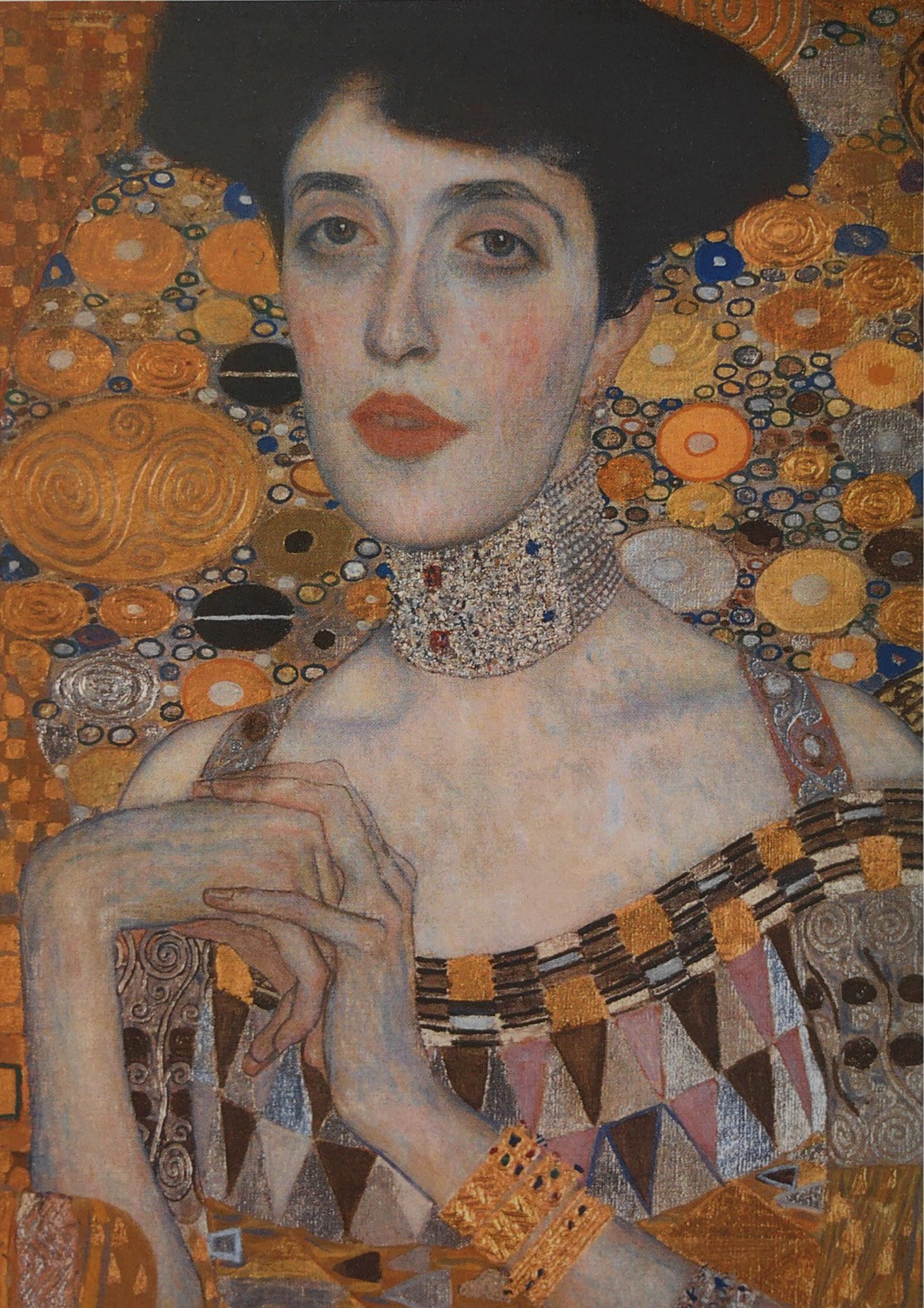
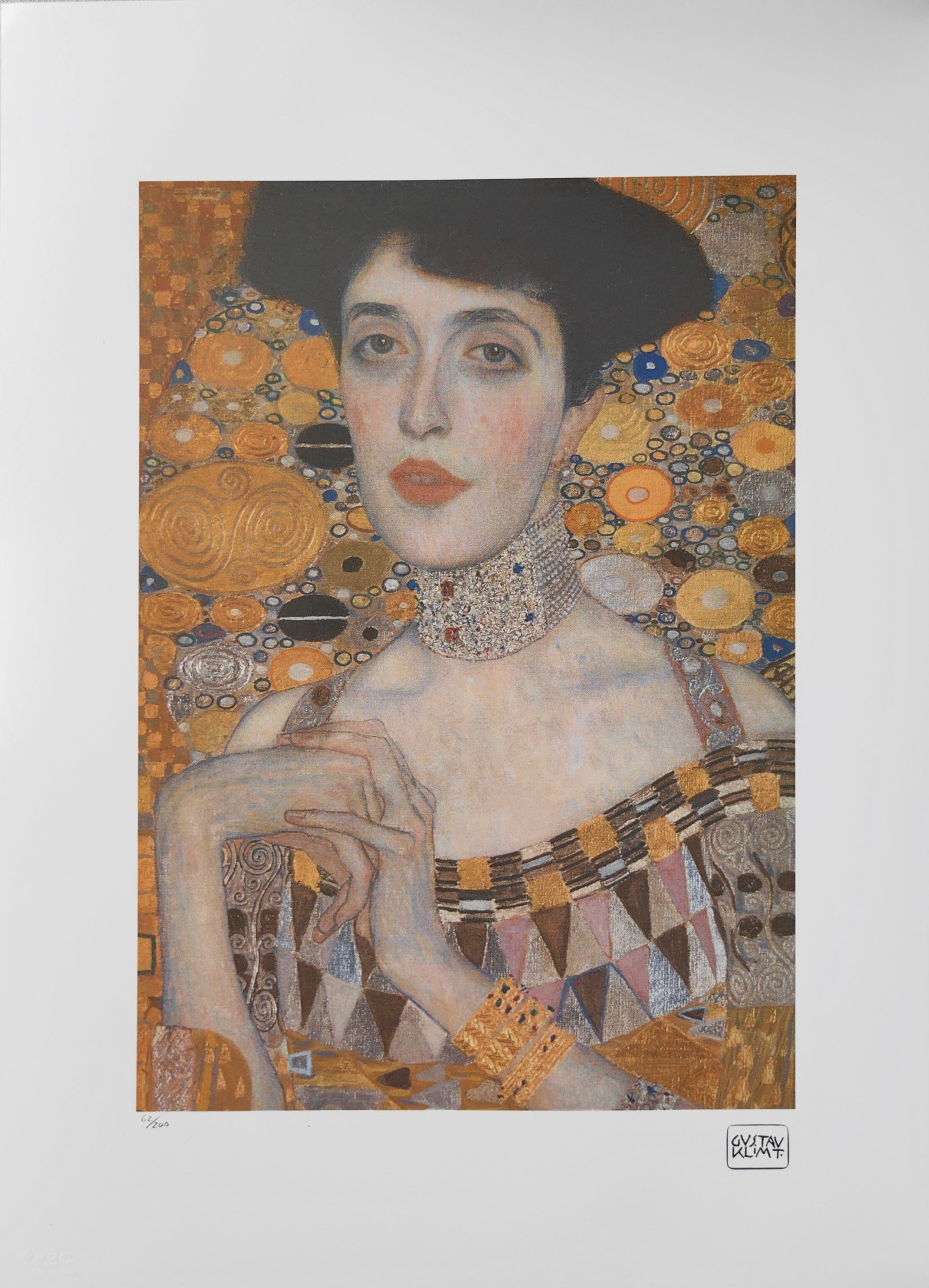
Print, limited edition of 200 pieces, on paper
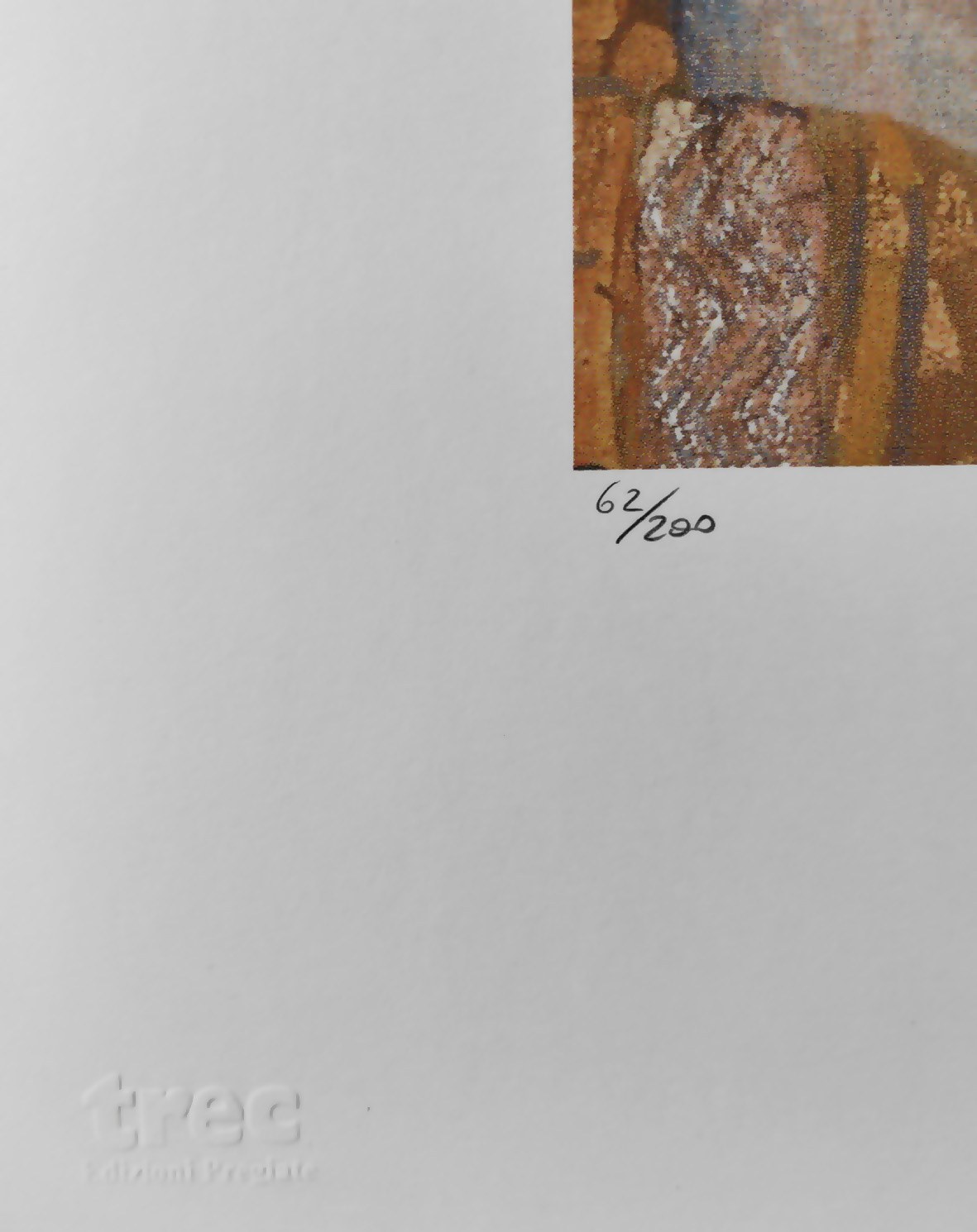
Each print is individually numbered.
Inscription in pencil, top left: 62/200; bottom right: artist’s facsimile.
Dimensions: 50 cm x 70 cm (sheet)
Dry stamp of the publisher at the bottom;hologram on the reverse.
Condition: very good
Gustav Klimt (born July 14, 1862, in Baumgarten, now part of Penzing, Vienna’s 14th district; died February 6, 1918, in Vienna)—Austrian painter and printmaker. One of the founders of the Vienna Secession and its first president.
Gustav Klimt’s paintings often depict female figures exuding eroticism as an expression of human relationships and emotions such as hope, love, and death. For this reason, he became a highly sought-after portraitist of women in Vienna.
Klimt’s work can be divided into several periods: historicism (1879–80), inspiration from antiquity (1886–1891, monumental works at the Burgtheater and the Vienna Museum of Art History), impressionism (Schubert at the Piano (1896), Young Woman in an Armchair (1896), Portrait of a Lady (1897), Lady (Woman) by the Fireplace (1897/98), Lady (Woman) in an Armchair (1897/98), and the portrait of Sonja Knip (1898)), and, from 1897 onward, Art Nouveau. From the mid-1890s, he used a gold background in several paintings, reflecting the influence of Japanese art (Japonism). The use of gold in his paintings is characteristic of Gustav Klimt.










Paskutiniai peržiūrėti
Prisijunkite, jei norite pamatyti pozicijų sąrašą
Mėgstami
Prisijunkite, jei norite pamatyti pozicijų sąrašą